
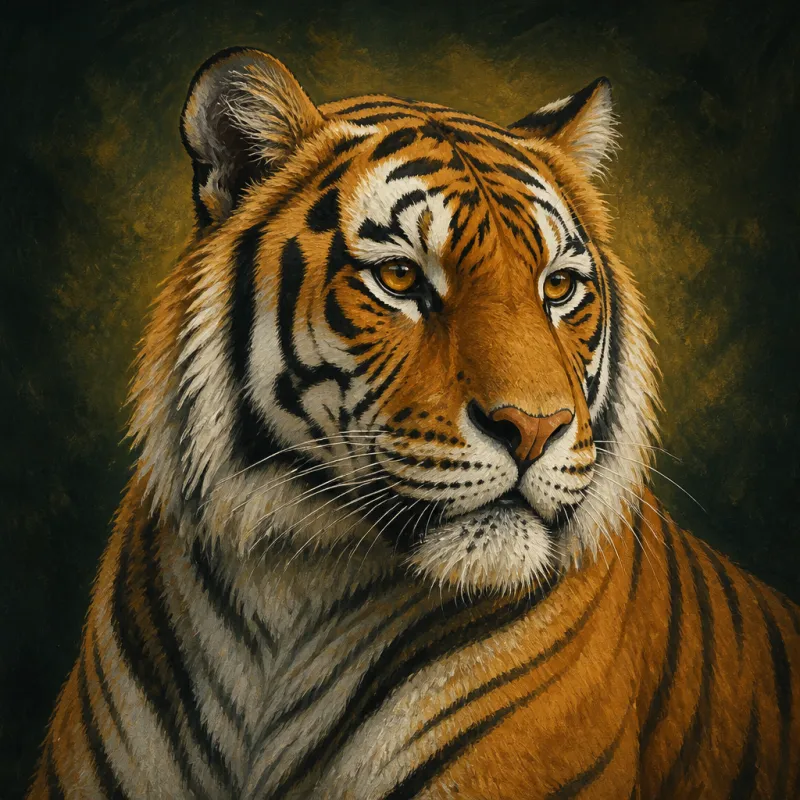
Big cat fundamentals
Lion vs Tiger: Social Hunter and Solitary Hunter
The two largest cats in the world differ far less in size than in the way they organise their lives: one lives in permanent…
Comparison tool
Filter the list by continent, habitat, genus or Red List category, choose two species, and the comparison is built from the same reviewed profiles used throughout this library. Each result has its own address that you can save or share.
Suggested pairings
These pairings include background that a table cannot provide: why the two species look alike, where their ranges meet, and what the measurements do and do not tell you.
Big cat fundamentals
The two largest cats in the world differ far less in size than in the way they organise their lives: one lives in permanent…
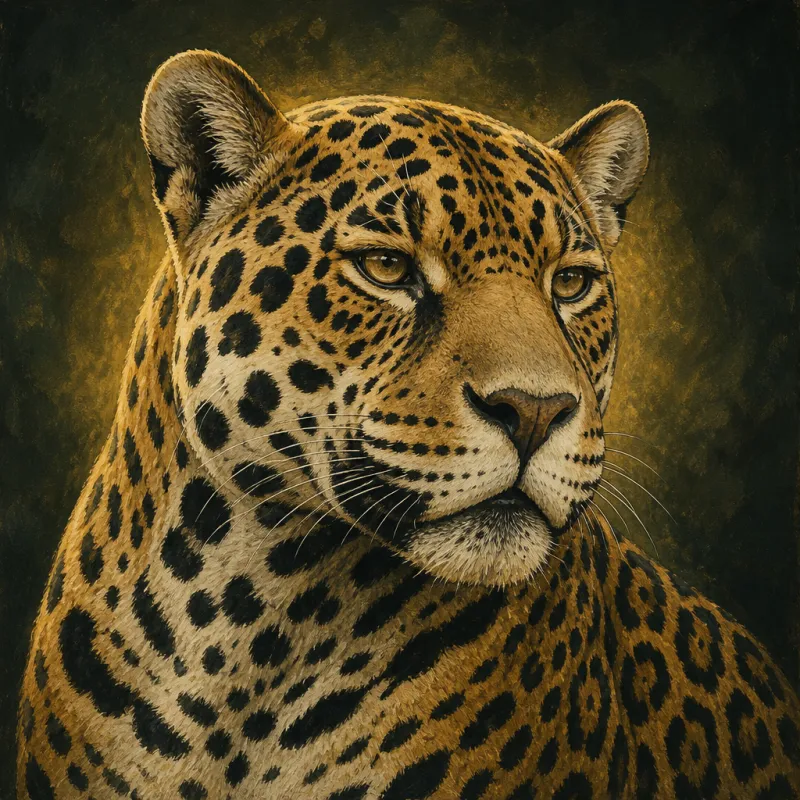
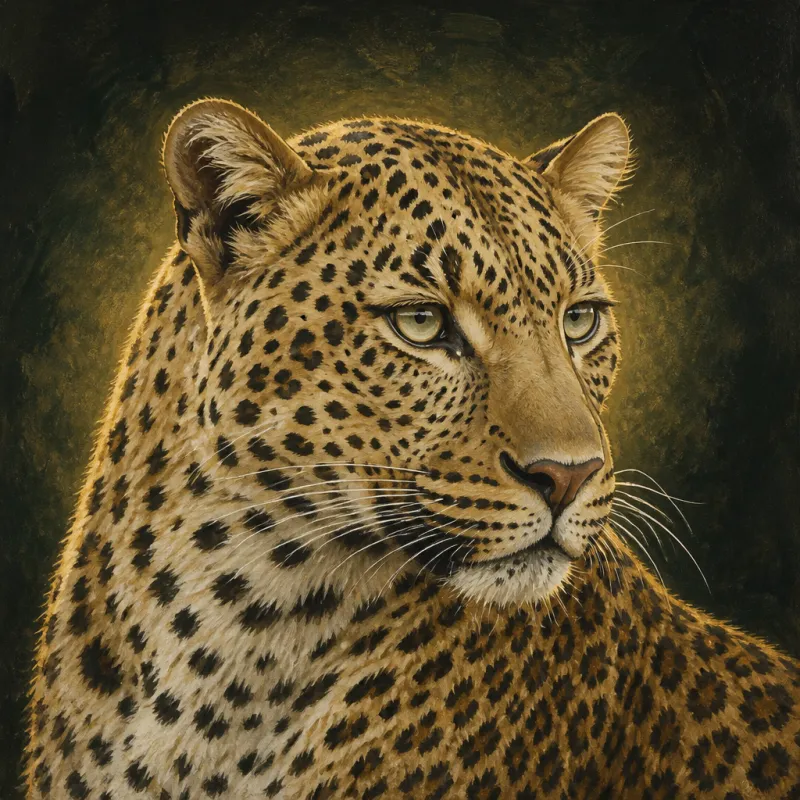
Telling look-alikes apart
These two spotted cats are separated by an ocean and by a set of anatomical differences that follow directly from what each of…
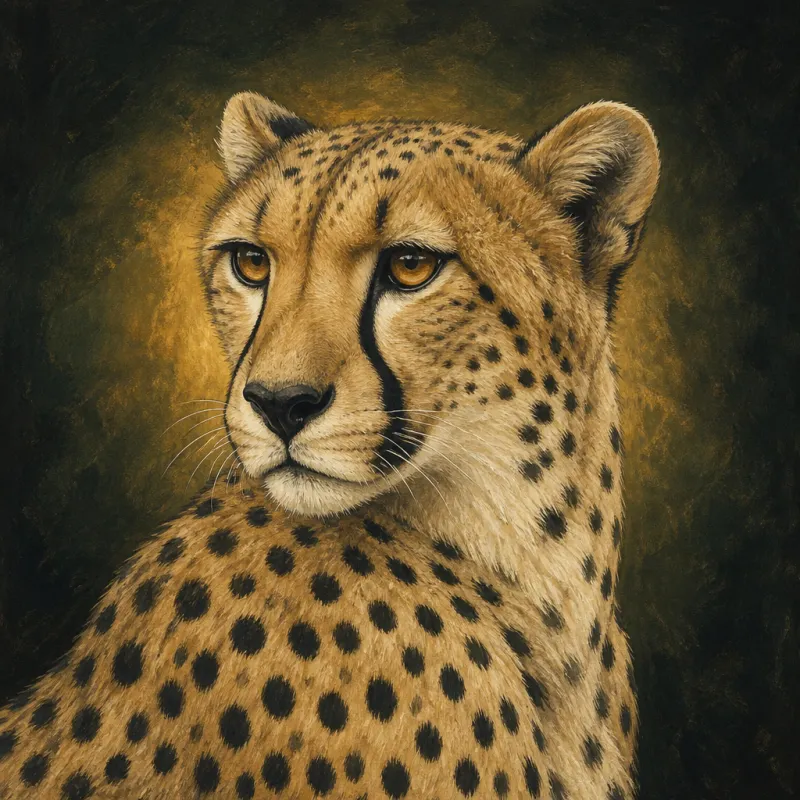
Different strategies, same landscape
Two African cats that share the same plains and take similar prey, but that solve the problem of catching it in opposite ways.
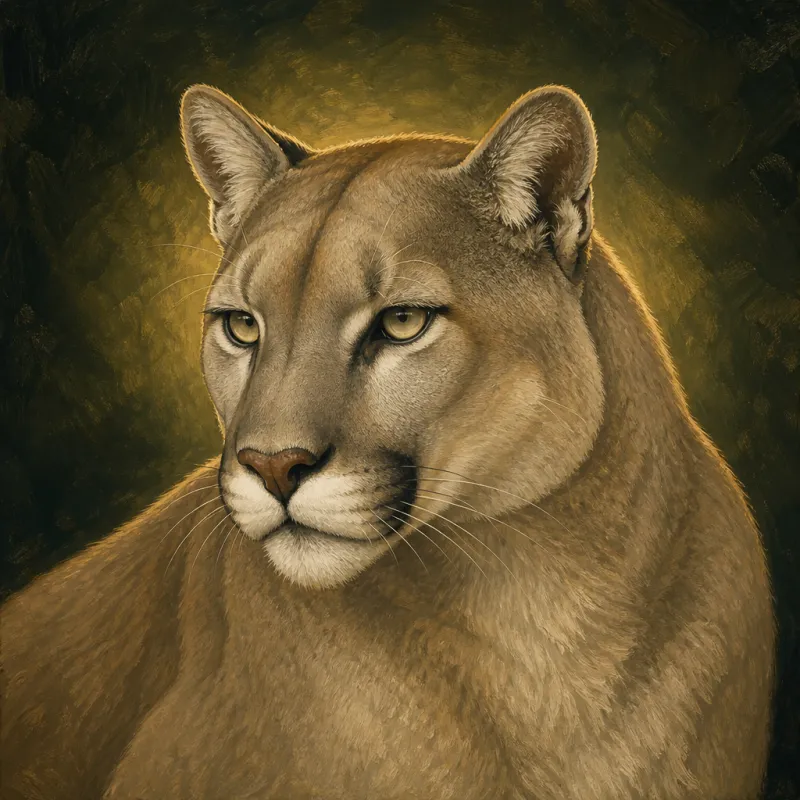
Cats of the Americas
They share a continent and often the same forests, yet one belongs to the roaring big cats and the other, despite its size, does…
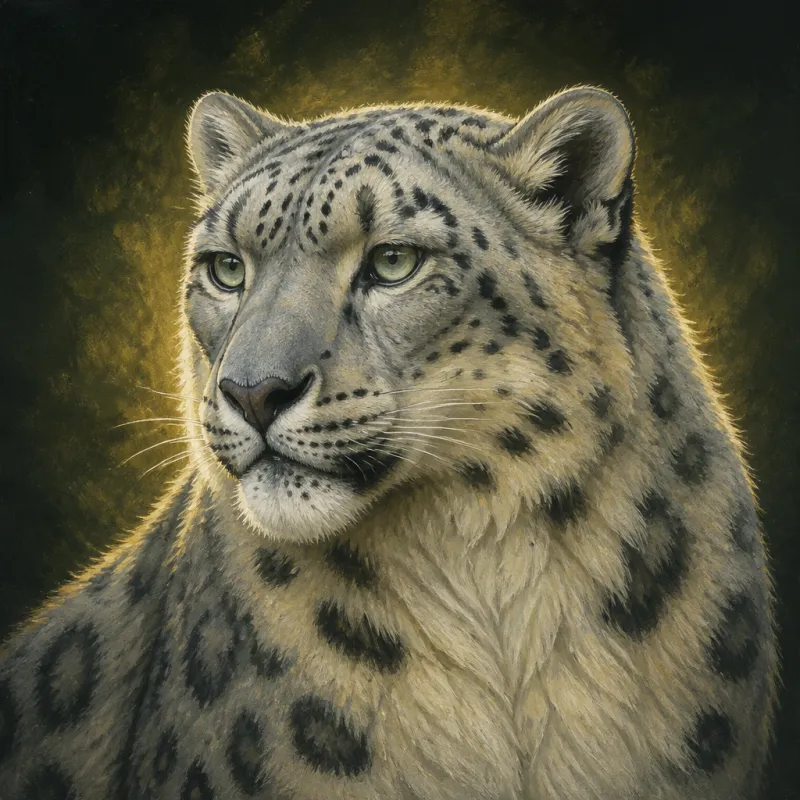
Altitude and adaptation
Similar names and similar spots hide two very different animals: one a mountain specialist, the other the most adaptable large…
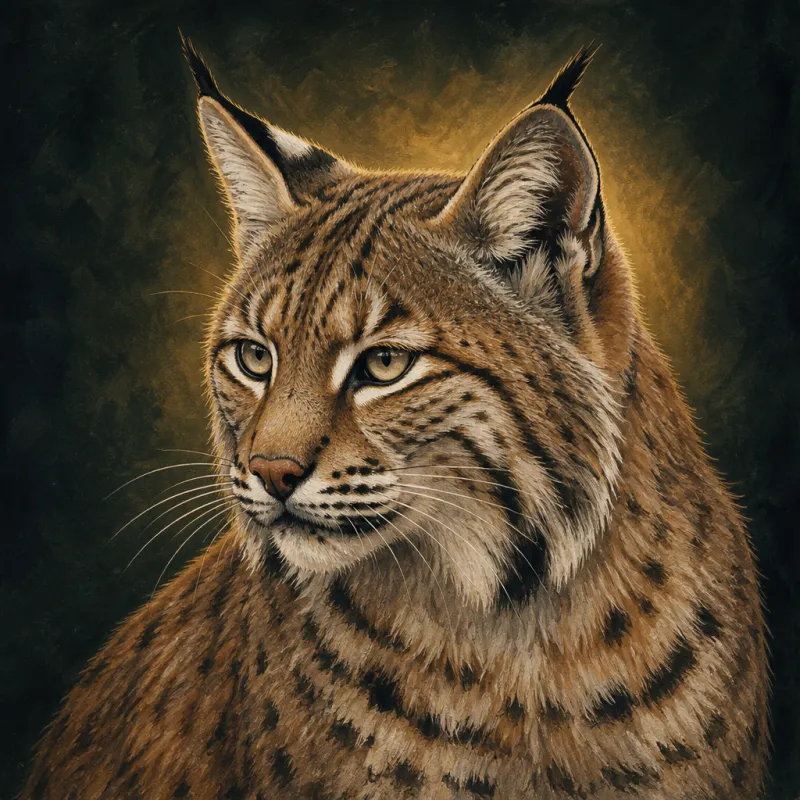
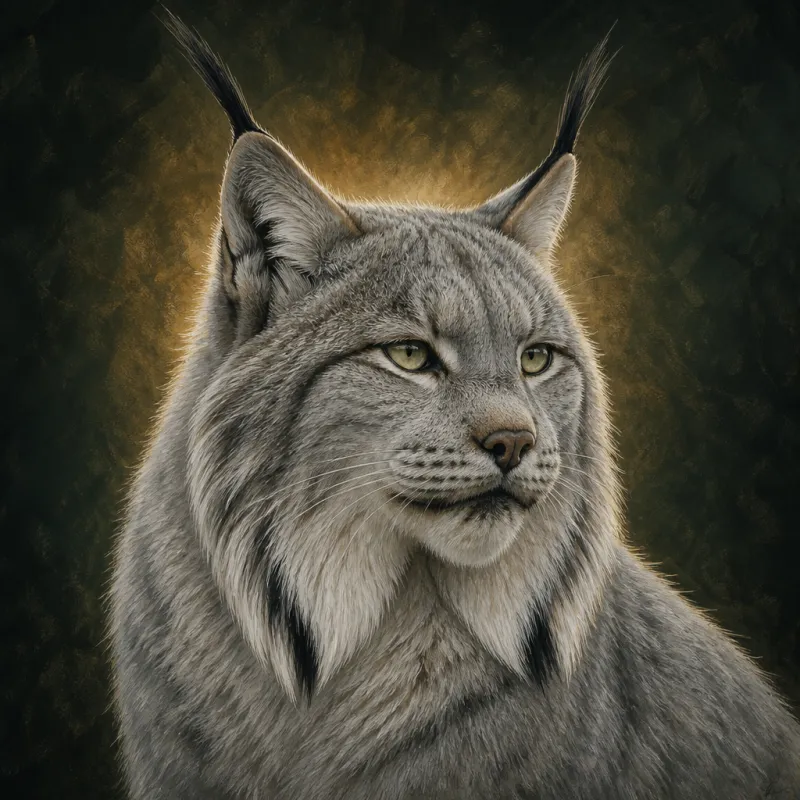
North American look-alikes
They belong to the same genus, share a continent and overlap along a wide band of the northern United States, where telling them…
Every species profile stores the same set of fields, which is what makes a fair comparison possible. Body measurements are given as published adult ranges rather than single averages, because size in most wild cats varies more between regions than between individuals.
Where two species differ on a measurable field, the larger value is marked so the contrast is easy to see. Where a value is unknown or has never been reliably measured, the field says so instead of offering an estimate.
We do not rank species, score them or simulate encounters between them. Those framings have no scientific basis and they get in the way of the comparison.