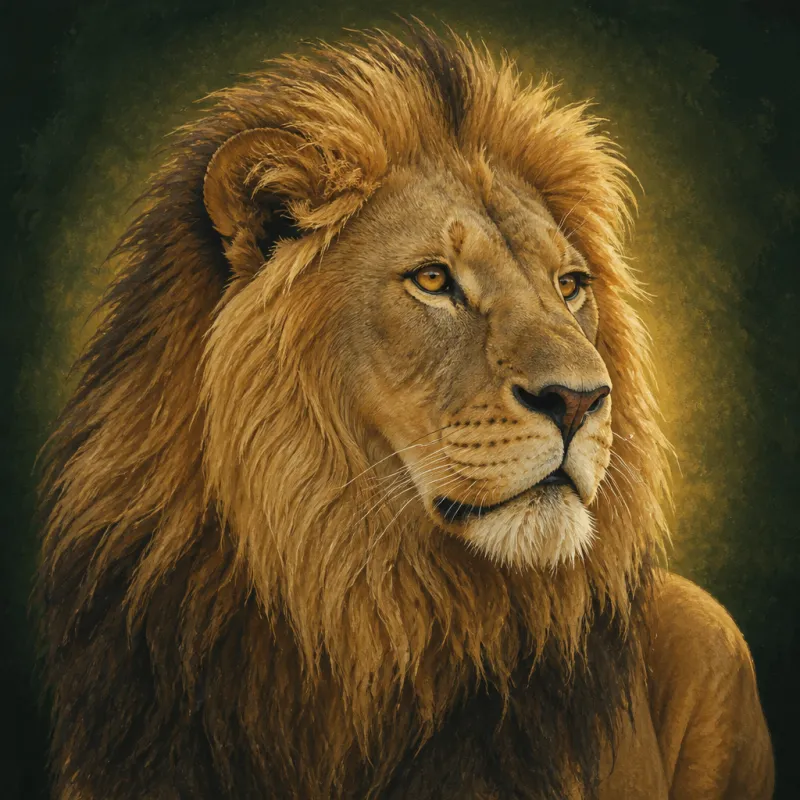
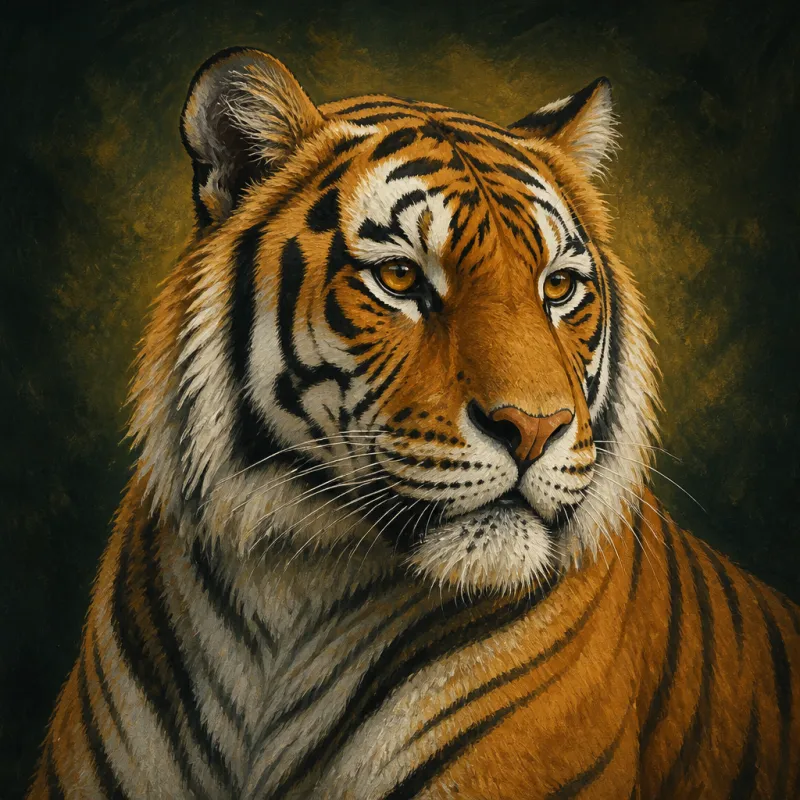
Big cat fundamentals
Lion vs Tiger: Social Hunter and Solitary Hunter
The two largest cats in the world differ far less in size than in the way they organise their lives: one lives in permanent…
Every wild cat species, side by side
Choose any two of the 40 living wild cat species and see how they differ in size, speed, habitat, hunting behaviour and conservation status. Every figure is traced to a published assessment or field study, and every profile carries the date it was last reviewed.
Start here
Narrow the lists by continent, habitat, genus or Red List category, then select a pair. The result has its own address, so you can save it or send it to someone else.
Reviewed comparisons
Each of these pairings has been written and checked by hand, with context that a table alone cannot give.
Big cat fundamentals
The two largest cats in the world differ far less in size than in the way they organise their lives: one lives in permanent…
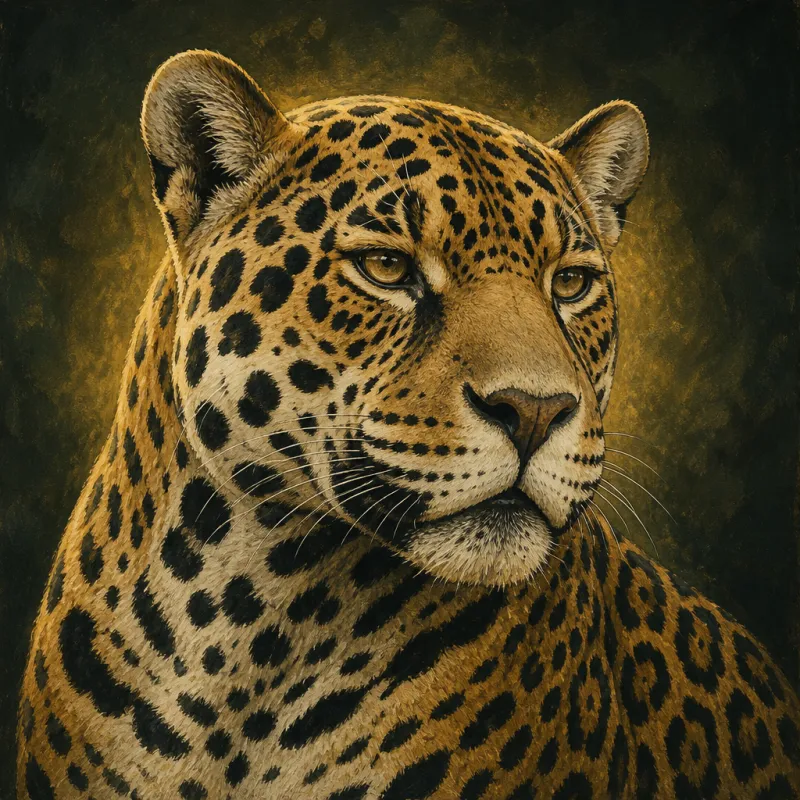
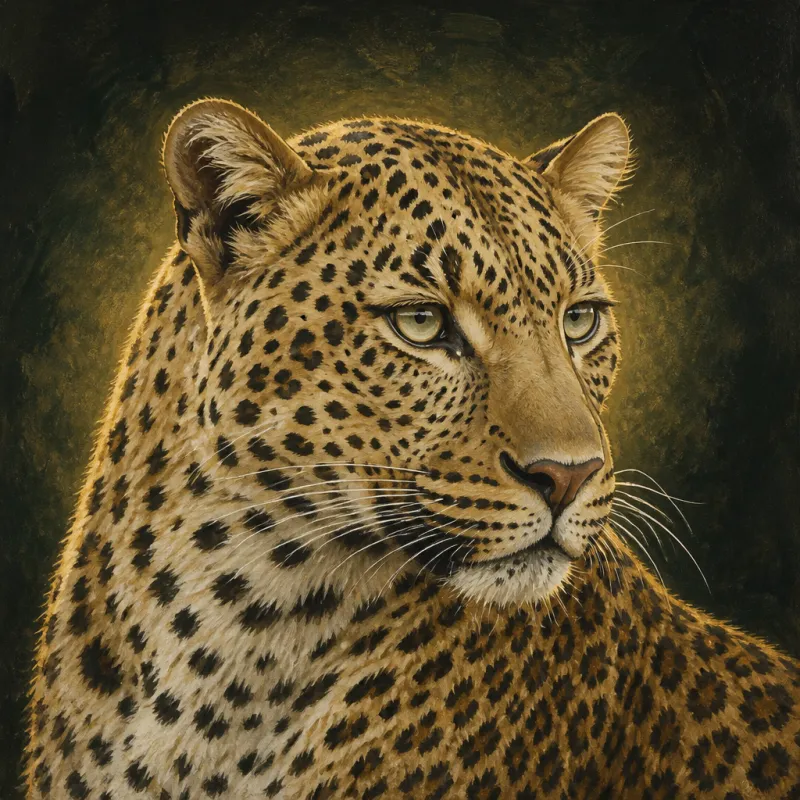
Telling look-alikes apart
These two spotted cats are separated by an ocean and by a set of anatomical differences that follow directly from what each of…
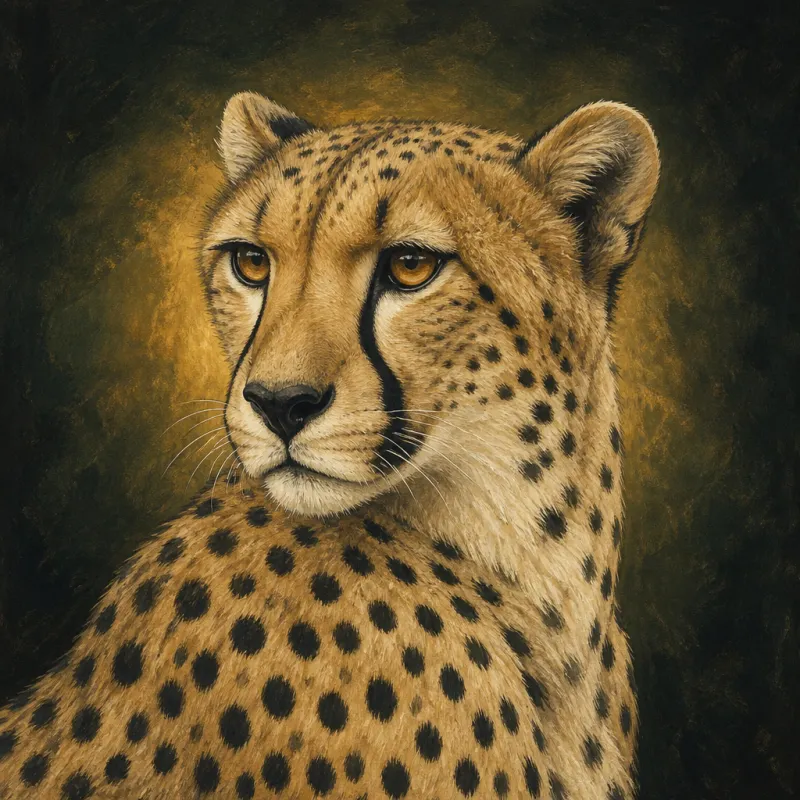
Different strategies, same landscape
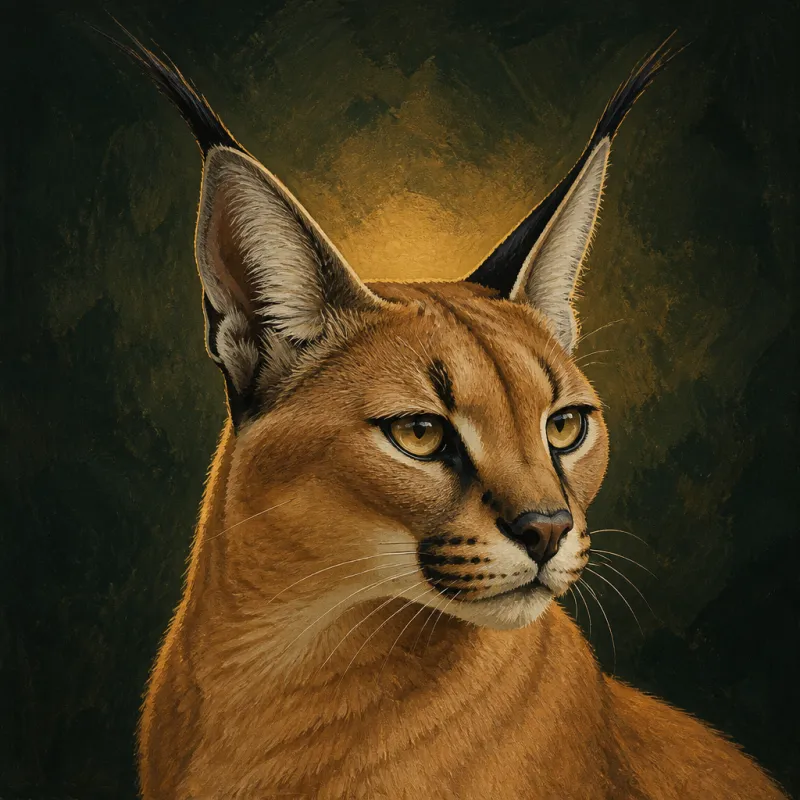
Two African cats that share the same plains and take similar prey, but that solve the problem of catching it in opposite ways.
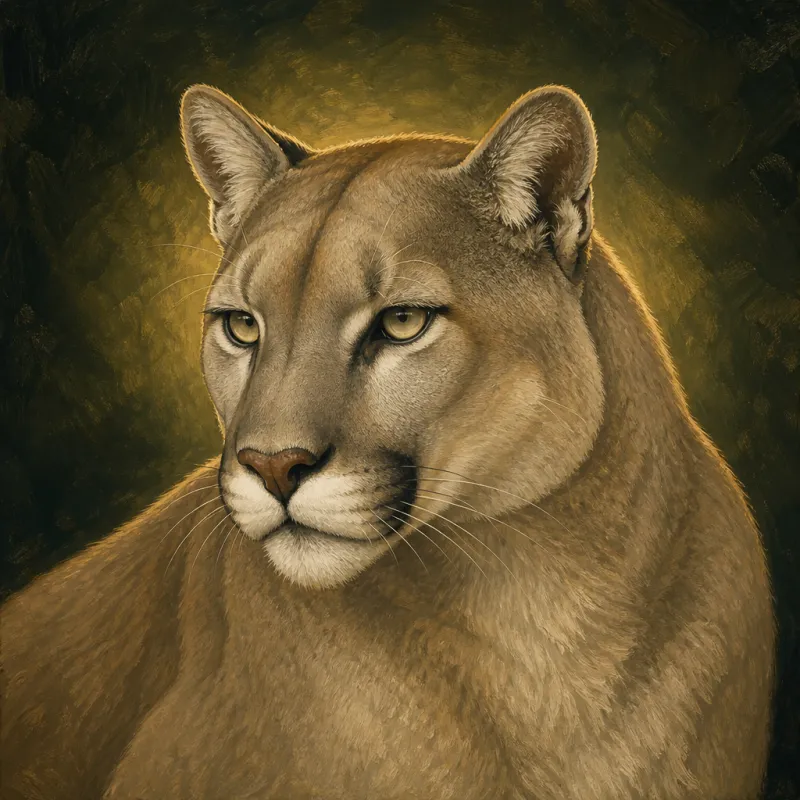
Cats of the Americas
They share a continent and often the same forests, yet one belongs to the roaring big cats and the other, despite its size, does…
Altitude and adaptation
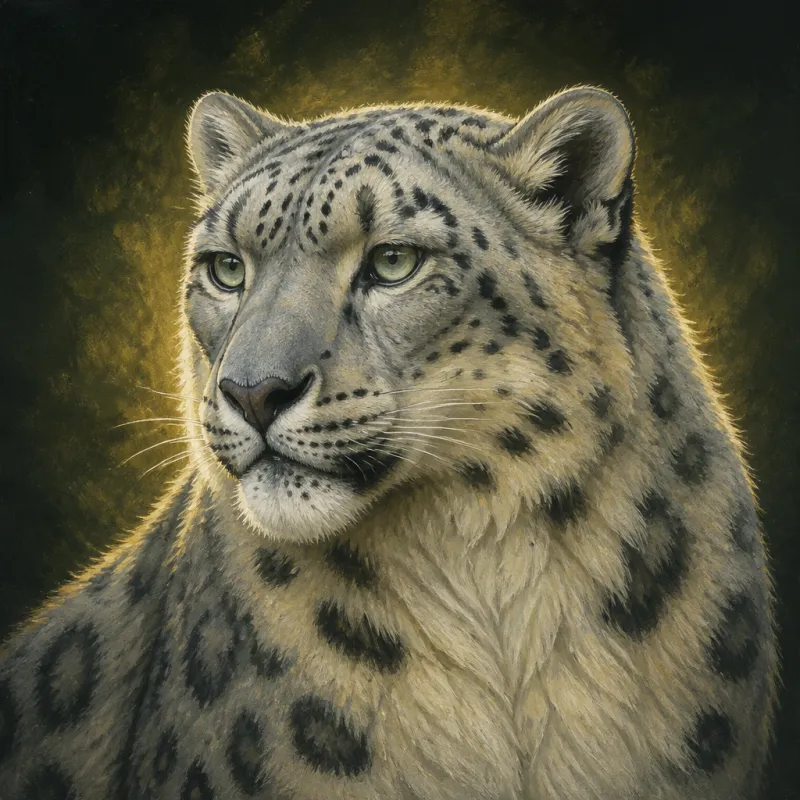
Similar names and similar spots hide two very different animals: one a mountain specialist, the other the most adaptable large…
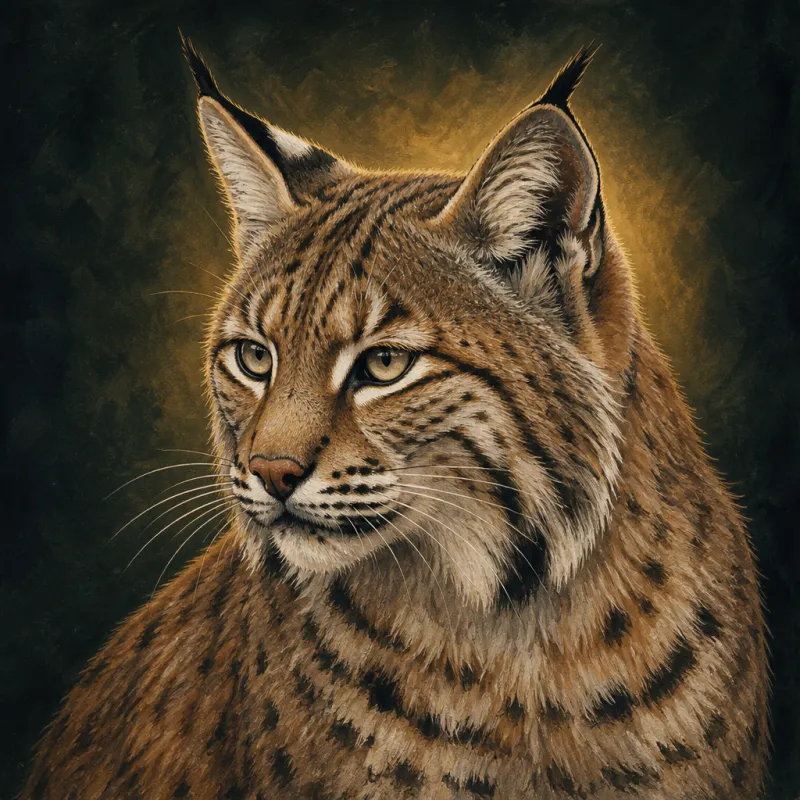
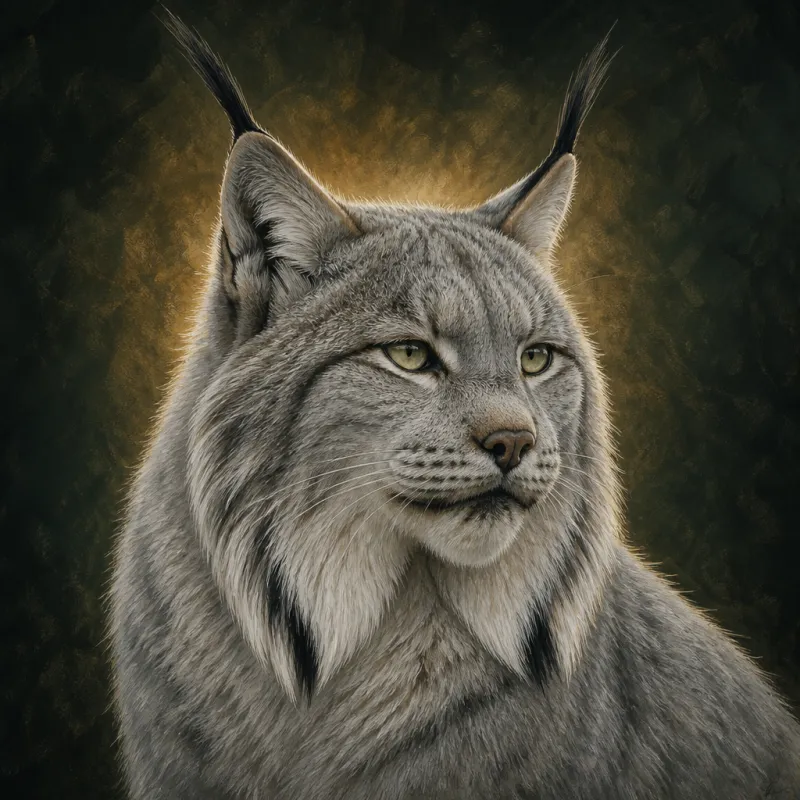
North American look-alikes
They belong to the same genus, share a continent and overlap along a wide band of the northern United States, where telling them…
Species library
The family covers an extraordinary range of size and habitat. These profiles are a good place to see how wide that span really is.
Panthera tigris
Panthera uncia
Acinonyx jubatus
Panthera onca
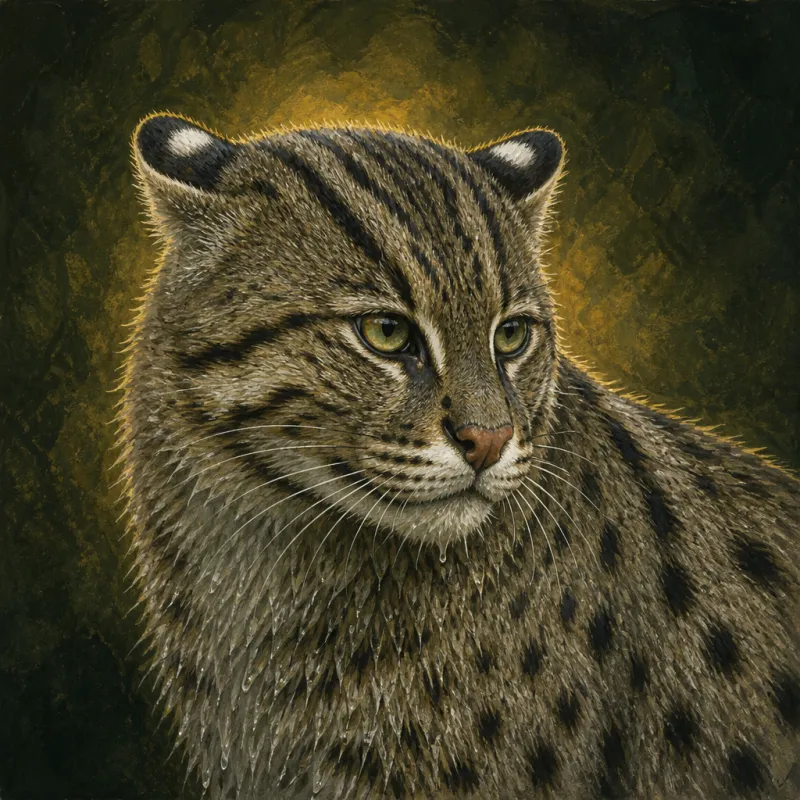
Prionailurus viverrinus
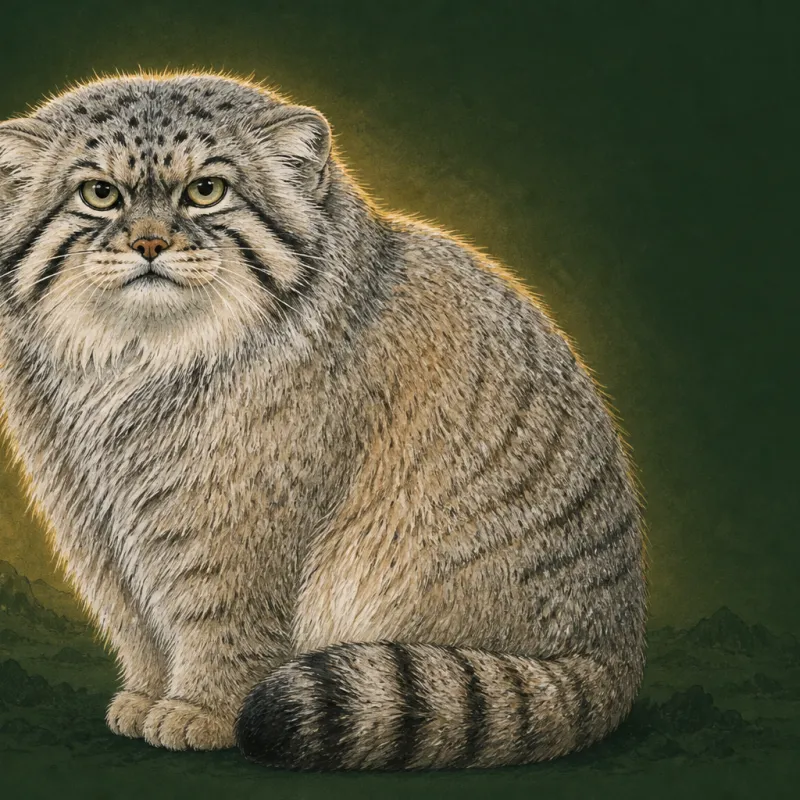
Otocolobus manul
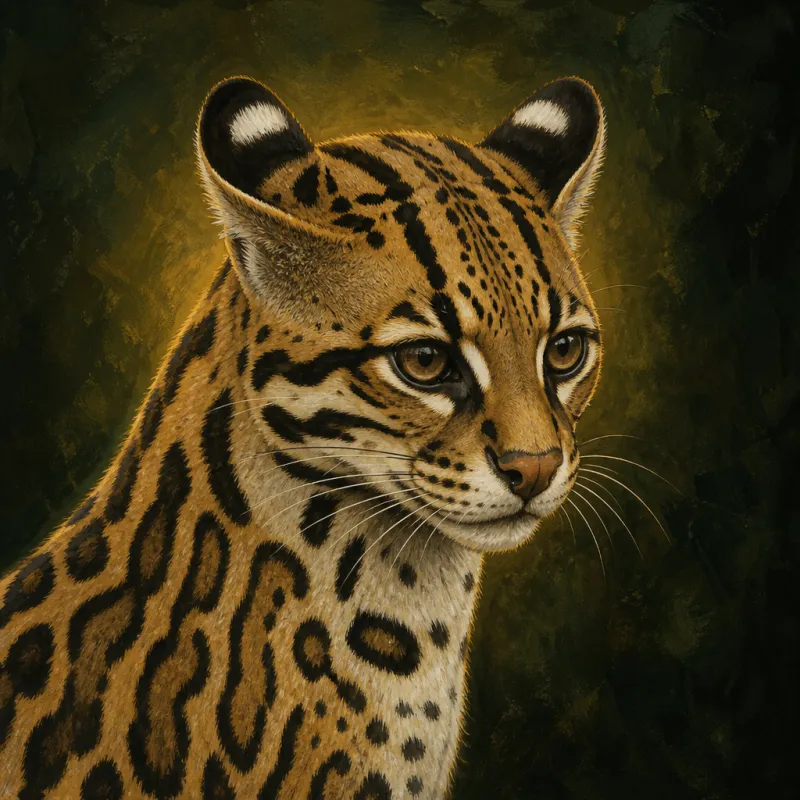
Leopardus pardalis
Caracal caracal
How this library works
This is a reference tool, not a contest. We do not stage hypothetical fights or declare a winner, because those questions have no scientific answer and they obscure what the data actually show.
What we do publish is the measurable and the documented: body length and mass ranges as reported in the literature, habitat and range as described in assessments, feeding and activity patterns from field studies, and Red List categories with the year each was published.
Where a figure is uncertain or poorly studied, we say so rather than filling the gap with a confident-sounding number.
Understand the fields
Head-body length excludes the tail. Shoulder height is measured standing. Climbing and swimming are graded on documented behaviour, not on assumption.
Conservation
A category describes extinction risk, not population size, and a species can be widespread and still declining. Here is how to read them.