Species comparison
Bobcat vs Puma
A side-by-side look at Lynx rufus and Puma concolor across body measurements, habitat, diet, behaviour and conservation status.
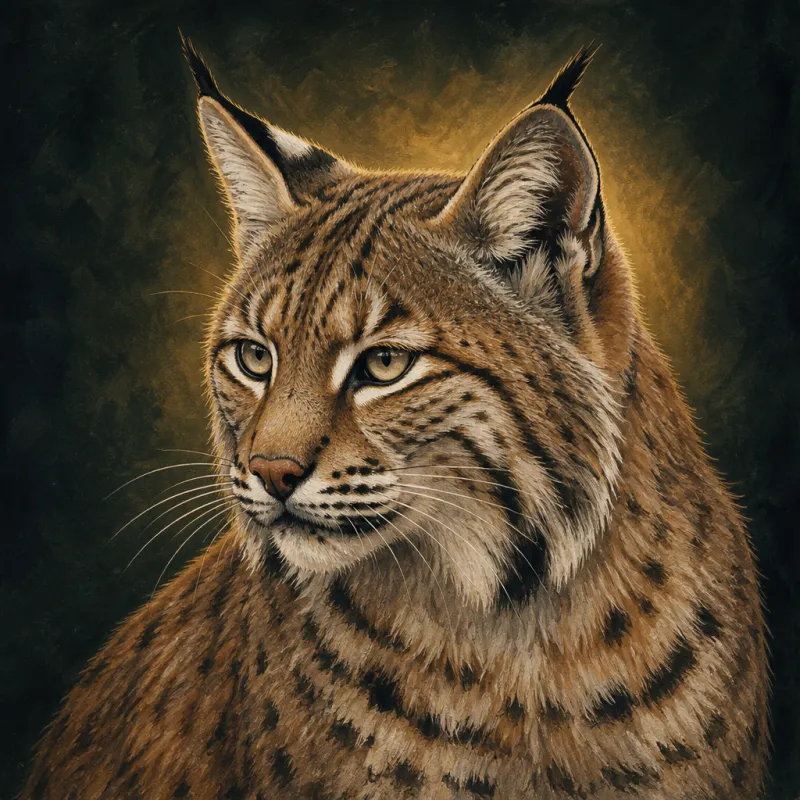
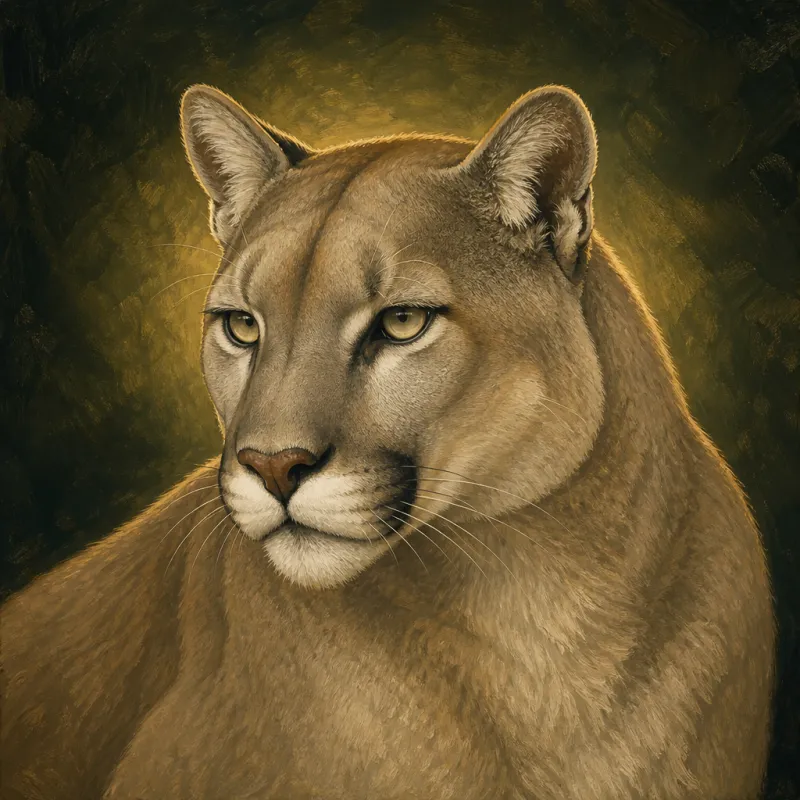
At a glance
- The puma averages about 5.9 times the body mass of the bobcat.
- The puma has the higher recorded top speed, at 50 mph (80 km/h).
- Both species use temperate forest and semi-arid scrub.
- Their ranges both include North America.
- Both are currently listed as Least Concern on the Red List.
Identification
How each species is named and classified.
Bobcat
Lynx rufus
Puma
Puma concolor
Bobcat
Lynx
Puma
Puma
Bobcat
Lynx lineage
Puma
Puma lineage
Bobcat
Medium-sized cats
Puma
Big cats
Bobcat
Bay lynx, Wildcat
Puma
Mountain lion, Cougar, Panther, Catamount
Body and movement
Published field measurements for adults. Ranges cover both sexes unless noted.
Bobcat
19 in – 4 ft 1 in (47–125 cm)
Puma
3 ft 3 in – 6 ft 7 in (100–200 cm) Longer
Bobcat
4 in – 8 in (9–20 cm)
Puma
24 in – 3 ft 1 in (60–95 cm) Longer
Bobcat
12 in – 24 in (30–60 cm)
Puma
24 in – 2 ft 11 in (60–90 cm) Taller
Bobcat
8.8–40 lb (4–18 kg)
Typical males 7–14 kg; northern animals are consistently larger than southern ones.
Puma
64–220 lb (29–100 kg) Heavier
Males 53–100 kg, females 29–64 kg; animals near the equator are smaller than those at high latitudes.
Bobcat
30 mph (48 km/h)
Short bursts; bobcats are stalkers rather than pursuers.
Puma
50 mph (80 km/h) Faster
Short accelerations from cover rather than sustained pursuit.
Life span
Typical adult longevity. Figures for managed care come from zoo and sanctuary records.
Bobcat
7–12 years
Puma
8–13 years Longer
Bobcat
20–25 years Longer
Puma
18–21 years
Habitat and range
Where each species lives and the conditions it tolerates.
Bobcat
temperate forest, semi-arid scrub, desert, wetland, agricultural mosaic, montane forest
Almost anything with cover: chaparral, hardwood and conifer forest, swamp, desert canyon, sagebrush and the wooded margins of towns and cities.
Puma
montane forest, temperate forest, tropical rainforest, desert, semi-arid scrub, grassland
Almost any terrain that offers stalking cover and ungulate prey, from coastal rainforest and Rocky Mountain conifer to Sonoran desert, Patagonian steppe and Andean páramo above 13,000 feet.
Bobcat
North America
From southern Canada through most of the contiguous United States to central Mexico, with the highest densities in the south-east and south-west.
Puma
North America, South America
From British Columbia and Alberta south through the western United States, Mexico and Central America to Chile and Argentina. A small, isolated population persists in southern Florida.
Diet and behaviour
Feeding ecology, social organisation and hunting technique.
Bobcat
hares, small mammals, birds, reptiles, medium ungulates
Cottontail rabbits and rodents form the core; bobcats also take birds, lizards and, in northern winters, deer weakened by snow.
Puma
medium ungulates, small mammals, hares, birds
Deer dominate across most of the range, supplemented by elk calves, guanaco, vicuña, peccary, porcupines, hares and rodents.
Bobcat
Solitary and territorial
Males hold ranges overlapping several females, marking with scrapes, urine and faeces at trail junctions.
Puma
Solitary
Adults hold large, scent-marked ranges; recent GPS work shows more tolerance and even occasional food sharing between neighbours than was long assumed.
Bobcat
Crepuscular
Activity peaks around dawn and dusk, extending into the night near human settlement.
Puma
Crepuscular and nocturnal
Movement peaks at dawn and dusk, matching deer activity, and shifts further into the night close to roads and settlement.
Bobcat
Stalk and pounce
A bobcat freezes, creeps to within a few feet, then covers the last distance in one or two bounds.
Puma
Stalk, pounce and cache
A puma approaches under cover, launches from short range and kills with a bite to the neck, then drags the carcass to a cache site and returns over several nights.
Bobcat
Strong
Climbs easily, resting on branches and using trees to escape dogs and coyotes.
Puma
Exceptional More developed
Climbs quickly and confidently, often treeing to escape wolves or dogs and to rest above the ground.
Bobcat
Capable
Will swim across streams and swamp channels, notably in the south-eastern United States.
Puma
Capable
Swims when necessary, including between coastal islands, but generally avoids water.
Conservation
Red List category, population direction and the pressures documented for each species.
Bobcat
LC — Least Concern
Assessed 2016
Puma
LC — Least Concern
Assessed 2015
Bobcat
Stable
Puma
Decreasing
Bobcat
Vehicle collisions, Anticoagulant rodenticide exposure, Habitat fragmentation near cities, Regulated and illegal harvest pressure, Disease in isolated urban populations
Numbers are healthy across most of the range and the species has recolonised parts of the Midwest. Local concerns include rodenticide exposure in urban populations and mange outbreaks.
Puma
Habitat fragmentation by roads and development, Vehicle collisions, Retaliatory killing after livestock loss, Prey depletion, Genetic isolation of small populations
Secure at the species level thanks to a huge range, but eastern North American populations were extirpated, and the Florida panther depends on active genetic and habitat management.
Notable traits
Details that do not fit neatly into a measurement table.
Bobcat
- It is the most numerous wild cat in North America and the one most often photographed by home security cameras.
- Coat pattern varies from heavily spotted in the south-west to almost plain in northern forests.
- Urban bobcats in southern California have been studied for years as an indicator of how carnivores cope with fragmented landscapes.
Puma
- The species holds one of the longest lists of English common names of any mammal, a legacy of its enormous range.
- Vertical leaps of more than fifteen feet from a standing position have been documented.
- Highway crossing structures in California and Florida were built specifically to reconnect isolated puma populations.
Sources used for this comparison
- IUCN Red List of Threatened Species Global assessment categories, population trends and documented threats.
- IUCN SSC Cat Specialist Group Species accounts, distribution notes and Cat News reporting for every wild felid.
- U.S. National Park Service Long-running monitoring of North American carnivores inside protected areas.
- U.S. Fish and Wildlife Service Federal listing status and recovery planning for cats occurring in the United States.
- Animal Diversity Web, University of Michigan Museum of Zoology Reviewed species accounts with morphometric ranges and reproductive data.
- Panthera Field research programmes and species profiles for big and small wild cats.