Species comparison
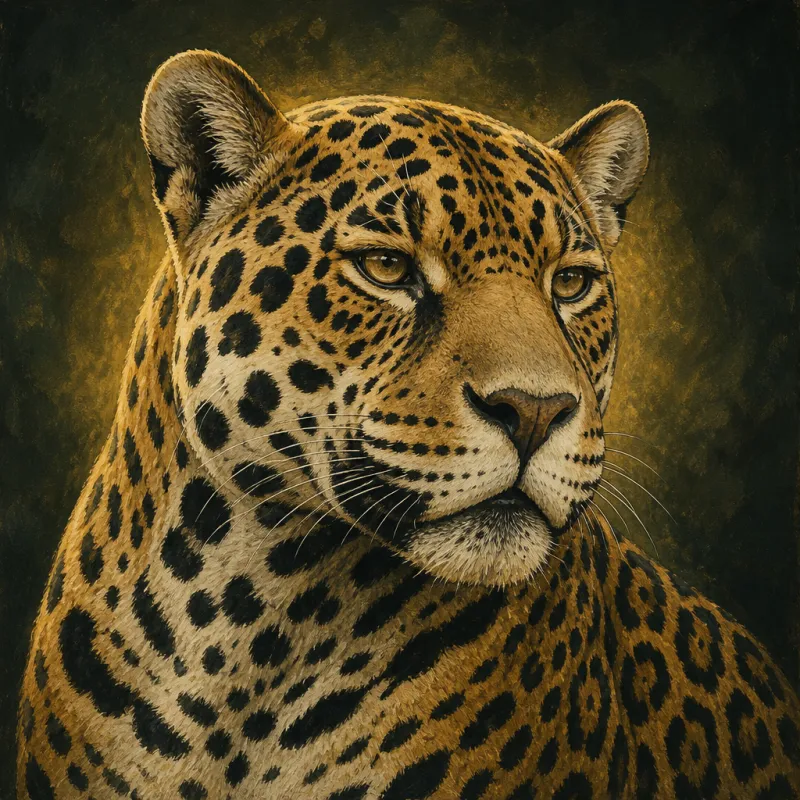
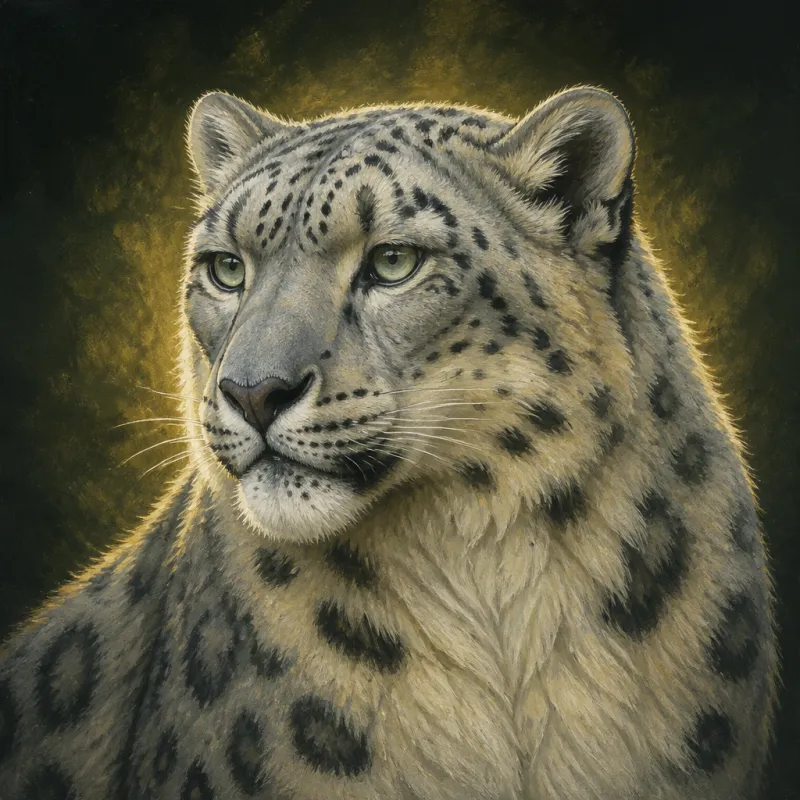
Jaguar vs Snow Leopard
A side-by-side look at Panthera onca and Panthera uncia across body measurements, habitat, diet, behaviour and conservation status.
At a glance
- The jaguar averages about 2.1 times the body mass of the snow leopard.
- The jaguar has the higher recorded top speed, at 50 mph (80 km/h).
- The two species occupy different habitat types with no overlap in our classification.
- Their ranges do not overlap: Jaguar lives in North America and South America, Snow Leopard in Asia.
- Red List categories differ: Jaguar is listed as Near Threatened, Snow Leopard as Vulnerable.
Identification
How each species is named and classified.
Jaguar
Panthera onca
Snow Leopard
Panthera uncia
Jaguar
Panthera
Snow Leopard
Panthera
Jaguar
Panthera lineage
Snow Leopard
Panthera lineage
Jaguar
Big cats
Snow Leopard
Big cats
Jaguar
El tigre, Onça-pintada
Snow Leopard
Ounce, Ghost of the mountains
Body and movement
Published field measurements for adults. Ranges cover both sexes unless noted.
Jaguar
3 ft 7 in – 6 ft 1 in (110–185 cm) Longer
Snow Leopard
2 ft 10 in – 4 ft 1 in (86–125 cm)
Jaguar
18 in – 2 ft 6 in (45–75 cm)
Snow Leopard
2 ft 7 in – 3 ft 5 in (80–105 cm) Longer
Jaguar
2 ft 1 in – 2 ft 6 in (63–76 cm) Taller
Snow Leopard
22 in – 2 ft 2 in (55–65 cm)
Jaguar
99–265 lb (45–120 kg) Heavier
Pantanal males are the heaviest; Central American animals are markedly smaller.
Snow Leopard
49–121 lb (22–55 kg)
Males average roughly a third heavier than females.
Jaguar
50 mph (80 km/h) Faster
Brief sprints only; jaguars are ambush hunters in dense cover.
Snow Leopard
34 mph (55 km/h)
Rarely measured in the field; the species relies on terrain, not pursuit.
Life span
Typical adult longevity. Figures for managed care come from zoo and sanctuary records.
Jaguar
12–15 years Longer
Snow Leopard
10–12 years
Jaguar
20–23 years Longer
Snow Leopard
18–22 years
Habitat and range
Where each species lives and the conditions it tolerates.
Jaguar
tropical rainforest, wetland, dry forest, mangrove, savanna
Strongly associated with water: floodplains, riverine forest, seasonally flooded grassland and swamp forest support the highest densities recorded for the species.
Snow Leopard
rocky alpine, montane forest, steppe
Broken cliff, ridgeline and alpine meadow, generally between 9,800 and 17,000 feet in the Himalaya, and considerably lower in the northern part of the range where treeline is lower.
Jaguar
North America, South America
From northern Mexico — with occasional records in Arizona and New Mexico — through Central America to northern Argentina. The Amazon basin and the Pantanal hold the largest remaining populations.
Snow Leopard
Asia
Twelve range countries across the Himalaya, Karakoram, Pamir, Tien Shan, Altai and Sayan mountains, including China, Mongolia, India, Nepal, Pakistan, Kyrgyzstan, Kazakhstan and Russia.
Diet and behaviour
Feeding ecology, social organisation and hunting technique.
Jaguar
medium ungulates, reptiles, small mammals, fish
Capybara, peccary, caiman, giant anteater, armadillo, turtles and fish. More than eighty prey species have been recorded across the range.
Snow Leopard
medium ungulates, small mammals, birds
Blue sheep and Siberian ibex are the staples across most of the range, supplemented by argali, marmots, pikas, hares and gamebirds.
Jaguar
Solitary
Adults hold overlapping home ranges and communicate through scrapes, scent marking and a sawing call. Extended male associations have been documented in the Pantanal, which is unusual for the species.
Snow Leopard
Solitary
Home ranges are very large, reflecting low prey density; individuals mark travel routes along ridgelines with scrapes and scent. Snow leopards cannot roar.
Jaguar
Cathemeral, peaking at dawn and dusk
Activity shifts with prey and disturbance; jaguars in undisturbed wetlands often hunt in daylight, while those near settlements become largely nocturnal.
Snow Leopard
Crepuscular
Movement peaks at dawn and dusk, matching the activity of mountain ungulates, with resting sites chosen for a view over approach routes.
Jaguar
Ambush with a skull-piercing bite
Jaguars stalk close, often from water or dense vegetation, and frequently attack from above or behind. Caiman and turtles are killed with a direct bite through bone or shell.
Snow Leopard
Ambush from above on broken ground
The cat uses cliffs and gullies to approach unseen, then charges downhill; leaps of several body lengths across rock are routine.
Jaguar
Strong
Confident climbers that rest and ambush from branches, though they cache prey on the ground far more often than leopards do.
Snow Leopard
Exceptional More developed
Superb on rock and scree, using the long tail for balance on narrow ledges. Tree climbing is largely irrelevant in its habitat.
Jaguar
Exceptional More developed
Jaguars swim across major rivers, hunt in shallow water and have been filmed diving after caiman.
Snow Leopard
Very limited
Rarely recorded in water; the species occupies cold, mostly frozen catchments where swimming offers no advantage.
Conservation
Red List category, population direction and the pressures documented for each species.
Jaguar
NT — Near Threatened
Assessed 2017
Snow Leopard
VU — Vulnerable
Assessed 2017
Jaguar
Decreasing
Snow Leopard
Decreasing
Jaguar
Deforestation for pasture and soy, Retaliatory killing by ranchers, Trade in teeth and other parts, Prey depletion, Road and dam construction
Still widespread in Amazonia, but the species has been lost from roughly half its historical range, with severe fragmentation in Mexico, Central America, the Atlantic Forest and the Argentine Chaco.
Snow Leopard
Retaliatory killing after livestock loss, Poaching for pelts and bones, Prey depletion from competition with livestock, Mining and linear infrastructure, Climate-driven treeline shift
Reclassified from Endangered to Vulnerable in 2017 after improved survey data, though the assessment stressed that the change reflected better information rather than population recovery.
Notable traits
Details that do not fit neatly into a measurement table.
Jaguar
- Melanistic jaguars — the so-called black panthers of the Americas — still carry rosettes, visible in raking light.
- The Pantanal supports some of the highest jaguar densities recorded anywhere, and its animals are the heaviest on average.
- Jaguars are one of the few cats known to prey routinely on large reptiles, including adult caiman.
Snow Leopard
- Snow leopards lack the specialised vocal anatomy of roaring cats and instead produce a wailing call known as a "yowl".
- Their tails can measure close to ninety per cent of head-body length, proportionally the longest of any big cat.
- Camera-trap and genetic surveys still cover only a fraction of the species' vast, difficult range.
Sources used for this comparison
- IUCN Red List of Threatened Species Global assessment categories, population trends and documented threats.
- IUCN SSC Cat Specialist Group Species accounts, distribution notes and Cat News reporting for every wild felid.
- Panthera Field research programmes and species profiles for big and small wild cats.
- Wildlife Conservation Society Field programmes, camera-trap surveys and population monitoring.
- U.S. Fish and Wildlife Service Federal listing status and recovery planning for cats occurring in the United States.
- Snow Leopard Trust Long-term ecological study of snow leopards and high-mountain prey systems.
- World Wildlife Fund Range descriptions, threat summaries and conservation programme reporting.